Signs of low testosterone in men: the honest Goliath XL guide

Updated August 2026 · reviewed by the Goliath XL Research Team. We are an independent information resource, not a medical provider, and this article is educational rather than medical advice.
The signs of low testosterone in men are usually quiet and gradual rather than dramatic — a slow slide in energy, a quieter sex drive, slower recovery after exercise, and dips in mood or motivation. The honest catch is that every one of these symptoms overlaps with ordinary causes like poor sleep, stress and a busy life stage, so none of them proves low testosterone on its own. This guide walks through the common low-t symptoms men actually notice, what they can and cannot tell you, how a doctor confirms low testosterone with a blood test, and where a daily vitality routine like Goliath XL honestly fits — as everyday support, never as a treatment.
What are the signs of low testosterone in men?
The most commonly reported signs of low testosterone are persistent fatigue, reduced sex drive, low mood or motivation, poorer exercise recovery, and loss of strength or muscle tone. Crucially, these low-t symptoms are non-specific — each can also come from stress, poor sleep, diet or other health issues — so the only way to confirm low testosterone is a blood test ordered by a doctor. A daily blend like Goliath XL supports the everyday basics; it does not diagnose or treat anything.
- Energy — ongoing tiredness that rest does not fully fix.
- Libido & mood — a quieter drive alongside flatter motivation.
- Body & recovery — softer strength, slower recovery, easier fat gain.
- Confirm it properly — symptoms plus a doctor-ordered blood test, not a quiz or a supplement.
Low testosterone is one of the most searched men’s health topics, and also one of the most over-simplified. Marketing loves to pin every off day on “low T,” while the reality is messier and more reassuring: the same symptoms usually have several everyday causes working together. Below we separate what the evidence supports from what is guesswork, and we are deliberately clear about where a symptom is a genuine clue and where it is simply life. Nothing here is a promise that a supplement changes a hormone level.

What is low testosterone in men?
Low testosterone is a clinically defined state in which the body produces less of the main male sex hormone than it needs, confirmed by a doctor using symptoms together with a blood test. Testosterone drives many everyday functions in men — sex drive, muscle and bone strength, red-blood-cell production, mood and energy — so when levels fall meaningfully below the normal range, several of these can be affected at once. It is important to separate two different things. A slow, natural decline with age is normal and happens to most men, whereas clinically low testosterone (sometimes called hypogonadism) is a diagnosis a doctor makes when low levels line up with real symptoms. The word “low” only means something once it is measured, which is why testing matters so much.
How much does testosterone decline with age?
Testosterone in men typically peaks in early adulthood and then declines gradually, on average by roughly one percent per year from around age 30 to 40 onwards. That slow drift is a normal part of ageing and, for many men, never causes noticeable problems. What matters is not the birthday but the pattern: a gentle, expected decline is different from a steeper drop that arrives with clear symptoms. Age raises the odds of lower levels, but it does not by itself equal a diagnosis, and plenty of older men have testosterone in a perfectly healthy range.
What are the most common signs of low testosterone?
The most common signs of low testosterone in men cluster into three groups: energy and mood, sex drive, and body composition or recovery. Because testosterone touches so many systems, low levels rarely show up as a single dramatic symptom — more often it is a handful of small changes that add up over months. The sections below describe what men most often report, while keeping the honest caveat front and centre: these are clues, not proof.
Does low testosterone cause low energy and fatigue?
Persistent fatigue that good sleep does not fully fix is one of the signs men most often connect with low testosterone. When it is truly hormone-related, the tiredness tends to be steady and physical — a sense of running on a lower baseline rather than the sharp exhaustion of a single bad night. The difficulty is that low energy is one of the most non-specific symptoms in all of medicine. Poor sleep quality, chronic stress, an under-active thyroid, depression, anaemia, some medications and simply overwork can all produce the same feeling. So while low energy belongs on the list, it is far more useful as a reason to look at your sleep, stress and overall health than as a stand-alone verdict on testosterone.
Is a lower sex drive a sign of low testosterone?
A noticeable, sustained drop in libido is one of the more specific signs of low testosterone, because testosterone is a key driver of sexual desire in men. When drive fades gradually and stays low over weeks or months, it is a reasonable prompt to consider hormones among the possible causes. Even here, though, context matters enormously: relationship strain, stress, poor sleep, anxiety, depression and certain medicines all dampen libido independently of any hormone level. It is also worth drawing a clear line — a quieter overall sex drive is not the same as erectile difficulty, which has its own separate causes and deserves its own medical conversation. For everyday habits that support drive naturally, see our guide on how to increase libido naturally.
Can low testosterone affect strength, muscle and recovery?
Low testosterone can gradually reduce muscle tone and strength and make workouts feel harder to recover from, because the hormone supports the building and maintenance of lean tissue. Men sometimes notice that the same training brings smaller results, that strength plateaus or slips, or that body fat — particularly around the middle — creeps up more easily than before. As with the other signs, none of this is unique to testosterone: under-eating protein, overtraining, poor sleep, ageing and inactivity all blunt recovery and strength too. The practical takeaway is encouraging, because the same foundations that support testosterone — resistance training, protein, sleep and a healthy body-fat range — also directly build strength regardless of the cause.
| Reported sign | What men notice | Common non-hormonal causes to rule out |
|---|---|---|
| Low energy / fatigue | Steady tiredness rest does not fix | Poor sleep, stress, thyroid, anaemia, depression |
| Reduced sex drive | Gradual, sustained fall in desire | Stress, relationship strain, medications, mood |
| Low mood / motivation | Flatter drive, less get-up-and-go | Depression, burnout, life stage, sleep debt |
| Strength / muscle loss | Plateaus, softer tone, easier fat gain | Under-eating protein, inactivity, ageing |
| Poor recovery | Workouts feel harder to bounce back from | Overtraining, poor sleep, low calories |
| Sleep changes | Lighter or more broken sleep | Sleep apnoea, caffeine, alcohol, stress |
What else can cause low-t symptoms?
The single most important fact about the signs of low testosterone is that almost all of them have common, everyday causes that have nothing to do with hormones. This is not a minor footnote — it is the whole reason self-diagnosis is unreliable. A man who is sleeping badly, drinking too much, carrying extra weight, under chronic work stress and skimping on protein can tick nearly every box on a “low T” checklist while having a perfectly normal testosterone level. Untangling this is exactly what a doctor is for, and it is why the honest answer to “are these low testosterone symptoms?” is nearly always “maybe — let’s test and look at the bigger picture.”
| Overlapping factor | Symptoms it can mimic | Honest note |
|---|---|---|
| Poor or short sleep | Fatigue, low mood, low drive | Also lowers testosterone directly over time |
| Chronic stress | Low energy, low libido, poor recovery | Raised cortisol can suppress hormones |
| Excess body fat | Low energy, softer strength, low drive | Strongly linked to lower testosterone |
| Depression / burnout | Flat mood, fatigue, low motivation | Needs its own assessment, not a supplement |
| Alcohol & some medications | Low drive, fatigue, poor sleep | Worth reviewing with a doctor or pharmacist |
| Thyroid or other conditions | Fatigue, weight and mood changes | Only a blood test can separate these out |
Read that table the right way and it is genuinely good news: many of the drivers of “low T” symptoms are the very things you can most influence — sleep, stress, weight, alcohol and activity. That is where the biggest, best-evidenced gains usually come from, whatever your hormone level turns out to be.
Support the everyday basics with Goliath XL
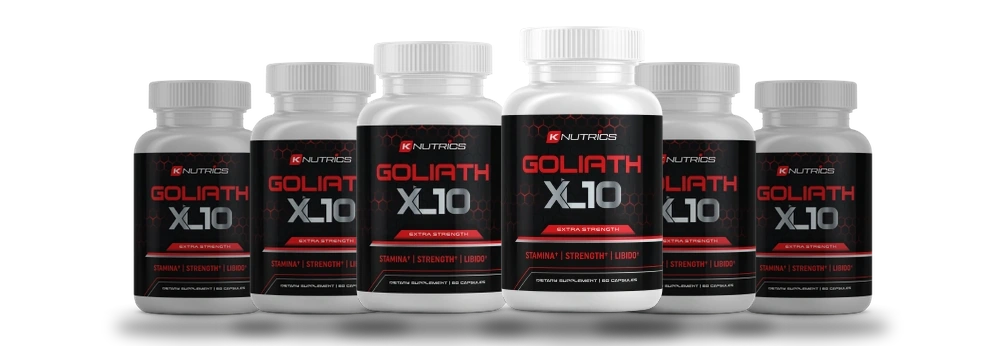
Goliath XL is a once-daily, two-capsule men’s tonic built on a fully disclosed 1,851 mg botanical blend — horny goat weed, muira puama, tribulus and Asian ginseng among them — designed to sit alongside good sleep, training and whole-food eating. It supports everyday energy and drive; it is not a hormone therapy. The six-bottle bundle is the best value at $49 per bottle, with free U.S. shipping and a 60-day guarantee.
Check today’s Goliath XL pricing — from $49/bottleHow is low testosterone diagnosed?
Low testosterone is diagnosed by a doctor who pairs your symptoms with a blood test, not by a symptom checklist alone. The standard first step is a total testosterone measurement taken in the morning, when levels are naturally highest, and it is usually repeated on a second day because a single reading can be misleading — levels swing with sleep, illness, stress and even a heavy meal. If results come back low, a doctor may check additional hormones, review your medications and general health, and look for an underlying cause before discussing any options. What this means in practice is simple and worth stating plainly: no online quiz, at-home saliva kit or supplement can diagnose low testosterone. If the signs in this article resonate, the single most useful action is to book a check-up and ask about a blood test. The line between a supplement and a prescription is worth understanding before you shop, and it is drawn in natural testosterone booster vs TRT.
Diagnosis is a clinical process, not a symptom checklist. Endocrine Society guidance recommends confirming consistent symptoms alongside unequivocally low morning total testosterone on at least two separate occasions before any treatment decision — Bhasin S et al. “Testosterone Therapy in Men With Hypogonadism: An Endocrine Society Clinical Practice Guideline.” Journal of Clinical Endocrinology & Metabolism, 2018. Only a blood test ordered by a doctor can answer the question this article raises.
How can men support healthy testosterone naturally?
The habits that best support healthy testosterone are also the habits that support overall male health, which is why they are worth doing regardless of your numbers. There is no overnight fix, and no food or pill reliably “boosts” a hormone the way marketing implies, but the foundations below have the strongest evidence and the widest benefit. Think of them as the real work, with any supplement playing a small supporting role at most.
Two findings are worth holding onto. Restricting healthy young men to five hours in bed for a week lowered their daytime testosterone by about 10 to 15 per cent — Leproult R & Van Cauter E. “Effect of 1 week of sleep restriction on testosterone levels in young healthy men.” JAMA, 2011; and across pooled data from more than 20,000 men, testosterone tracked with age, body-mass index, waist circumference and smoking — Marriott RJ et al. “Factors Associated With Circulating Sex Hormones in Men: Individual Participant Data Meta-analyses.” Annals of Internal Medicine, 2023. Sleep and waistline are where the evidence is.
Which daily habits matter most?
Consistent, good-quality sleep is the most underrated lever, because much of a man’s testosterone is produced during sleep and short sleep measurably lowers it. Alongside that, regular strength and resistance training, keeping body fat in a healthy range, and a whole-food diet with enough protein and key micronutrients — zinc, magnesium and vitamin D in particular — all support the body’s own production. Moderating alcohol and actively managing stress round out the list, since both can quietly work against you. For more detail, our guides on how to increase testosterone naturally and how to boost men’s energy naturally go deeper on each habit.

See the exact dose in Goliath XL →
Where does a daily formula like Goliath XL fit in?
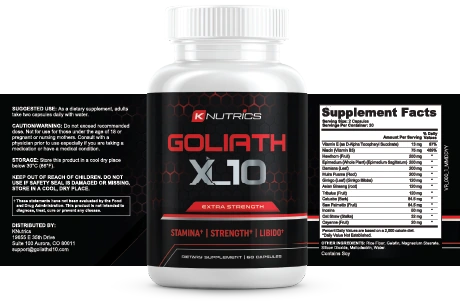
A daily formula like Goliath XL fits in as everyday support for the basics — energy, drive and stamina — and never as a treatment for low testosterone or any medical condition. It is a dietary supplement, not a hormone therapy, and it makes no claim to raise a testosterone level. What it offers is a fully disclosed, once-daily blend of botanicals traditionally used by men to support vitality: 300 mg of horny goat weed as its largest ingredient, plus muira puama, tribulus, Asian ginseng, ginkgo, saw palmetto, hawthorn, damiana and catuaba, rounded out with vitamin E and niacin. You can see how the whole formula is put together in the Goliath XL ingredients section, or read the complete Goliath XL review. The honest framing is this: if the signs in this article are mild and you are broadly well, a disclosed daily blend can complement good sleep, training and eating — but if symptoms are persistent or troubling, that is a matter for a doctor and a blood test first.
Frequently asked questions
What are the most common signs of low testosterone in men?
The signs men most often notice are persistent low energy or fatigue, a quieter sex drive, low mood or motivation, poorer recovery from exercise, loss of strength or muscle tone, and changes in sleep. None of these is proof of low testosterone on its own, because each can be caused by stress, poor sleep, diet or other health issues, which is why a blood test ordered by a doctor is the only way to confirm it.
Can low energy and low libido be caused by something other than low testosterone?
Yes, very often. Low energy and a reduced sex drive are common and non-specific, and they are frequently driven by poor sleep, chronic stress, depression, thyroid problems, certain medications, alcohol or simply a heavy life stage. Because so many factors overlap, these symptoms point to a conversation with a doctor rather than to a single diagnosis.
At what age does testosterone start to decline in men?
Testosterone in men typically peaks in early adulthood and then declines gradually, on average by roughly one percent per year from around the age of 30 to 40. This slow drift is a normal part of ageing for most men and is different from clinically low testosterone, which is diagnosed by a doctor using symptoms plus repeated blood tests.
How is low testosterone diagnosed?
Low testosterone is diagnosed by a doctor who combines your symptoms with a blood test measuring total testosterone, usually taken in the morning and confirmed on a second occasion because levels fluctuate. If results are low, a doctor may check other hormones and look for underlying causes before discussing options. No supplement, at-home kit or online quiz can make this diagnosis.
Does Goliath XL raise testosterone or treat low T?
No. Goliath XL is a dietary supplement, not a hormone therapy or a treatment for low testosterone or any medical condition. It provides a disclosed botanical blend traditionally used to support everyday energy, drive and stamina as part of a healthy routine. If you suspect clinically low testosterone, that is a matter for a doctor and a blood test, not a supplement.
What daily habits support healthy testosterone naturally?
The habits with the best evidence are consistent good-quality sleep, regular strength and resistance training, keeping body fat in a healthy range, a whole-food diet with enough protein and micronutrients such as zinc and vitamin D, moderating alcohol, and managing stress. These foundations support overall male health, and a daily blend like Goliath XL is designed to sit alongside them rather than replace them.
Check today’s Goliath XL pricing →
Goliath XL is a dietary supplement, not a treatment for any medical condition. These statements have not been evaluated by the Food and Drug Administration. This product is not intended to diagnose, treat, cure or prevent any disease. Always consult a qualified healthcare professional about your individual needs.
References & further reading
- Mayo Clinic. Male hypogonadism — symptoms and causes. mayoclinic.org/diseases-conditions/male-hypogonadism
- MedlinePlus / U.S. National Library of Medicine. Aging changes in the male reproductive system. medlineplus.gov/ency/article/004017.htm
- National Institute on Aging (NIH). Can Testosterone Therapy Promote Youth in Aging Men? nia.nih.gov/health/testosterone-therapy
- Harvard Health Publishing. Testosterone — what it does and doesn’t do. health.harvard.edu/medications/testosterone
- Leproult R & Van Cauter E. “Effect of 1 week of sleep restriction on testosterone levels in young healthy men.” JAMA, 2011
- Bhasin S et al. “Testosterone Therapy in Men With Hypogonadism: An Endocrine Society Clinical Practice Guideline.” Journal of Clinical Endocrinology & Metabolism, 2018
- Marriott RJ et al. “Factors Associated With Circulating Sex Hormones in Men: Individual Participant Data Meta-analyses.” Annals of Internal Medicine, 2023
These references describe symptoms, ageing and general health in broad terms and do not constitute evidence that any supplement treats, cures or prevents any condition.
Keep reading: how to increase testosterone naturally · how to boost men’s energy naturally · the full Goliath XL review · back to the Goliath XL blog.